Whispered Elegance Through Layers of Light


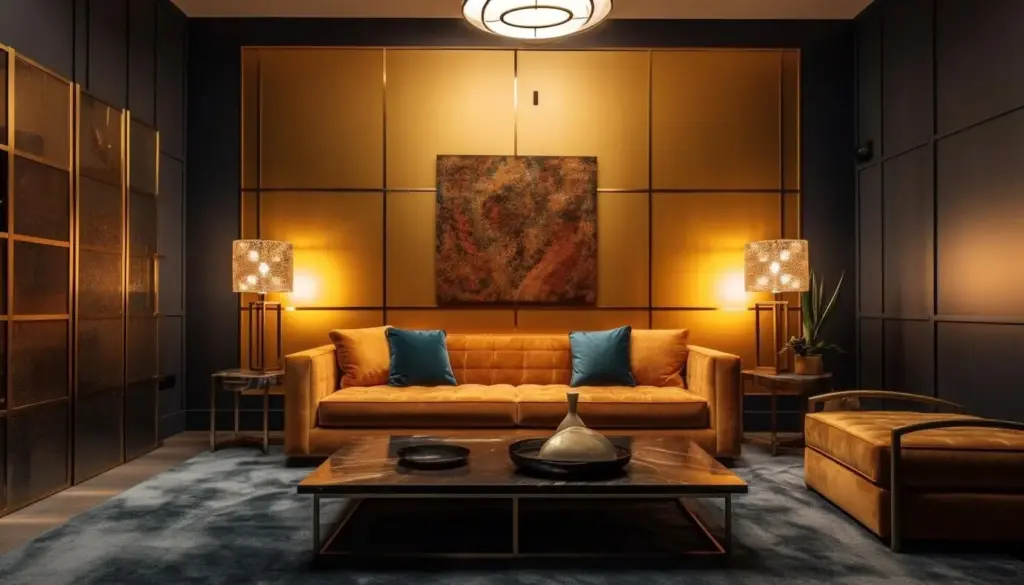
Today we explore layered lighting plans that evoke quiet elegance at home, revealing how ambient foundations, poised task beams, and gentle accents collaborate to calm every room. Expect practical layouts, human stories, and designer tricks that respect shadows as much as brightness. Share your questions and favorite corners; we’ll respond with tailored suggestions, scene settings, and product types that fit any budget without disturbing serenity.

Soft Foundations for a Calm Interior

Begin with a quiet base that smooths edges, reduces glare, and invites slow breathing. Indirect ceiling washes, cove details, and low-brightness diffusers create an even canvas where furniture, art, and people feel unhurried. Layer gentle 2700–3000K warmth, maintain dimming to 10% or lower, and avoid harsh hotspots so the room holds a tranquil presence before any decorative sparkle arrives.

Ceiling Strategies for Even Warmth

Bounce light off ceilings using coves, shallow recessed grazers, or hidden linear LED with good diffusion. The soft return lowers contrast ratios, making textures feel expensive without calling attention to fixtures. Choose high-CRI ribbons, confirm continuous dimming, and test finishes; matte paints glow more quietly than gloss, helping the entire space breathe with restrained confidence every evening.

Wall-Washing Without Drama

Aim for calm vertical brightness so faces and art read naturally. Spaced wall washers or wide floods at consistent offsets create smooth gradients instead of scallops. Keep glare angles generous, avoid piercing pinpoints, and pick 90+ CRI sources for truer hues. When walls feel balanced, rooms seem larger and kinder, supporting unforced conversation and contemplative moments with effortless grace.

Dim-to-Warm Magic in Daily Routines

Use dim-to-warm lamps that shift from 3000K to 2000K as intensity falls, mirroring candlelight’s softness. Morning brightness supports clarity; evening glow signals rest. Program gentle fades rather than abrupt changes, and you’ll feel transitions smoothing arguments, softening screen fatigue, and welcoming bedtime reading rituals that close the day with centered, unpretentious comfort across every corner you cherish.

Kitchen Counters That Invite Slow Cooking

Under-cabinet lights with continuous diffusers prevent distracting dots on glossy stone. Aim for 300–500 lux on work surfaces, with 90+ CRI to honor herbs and ripe tomatoes. Combine them with a soft ambient layer so the backsplash never feels cave-like, and add a low-output night mode for late tea, making the kitchen warm, safe, and astonishingly welcoming.

Desks That Protect Focus

Pair a broad desk lamp with centered task pools that avoid screen reflections. Keep ambient slightly lower than task to highlight the work plane without isolating you in a spotlight. Use flicker-safe drivers and adjustability, then set a calm neutral-white tone for morning momentum, letting your eyes relax into a steady rhythm that favors thoughtful, unhurried concentration throughout demanding days.

Vanity Mirrors That Flatter Truthfully

Mount vertical lights on both sides of the mirror at eye height to minimize shadows, keeping grooming honest yet gentle. Aim for 2700–3000K, high CRI with strong R9, and a dimmer for evening rituals. Balanced vertical illumination treats skin kindly, supports precision, and preserves serenity, so every glance feels respectful, never clinical or theatrical, even during rushed weekday mornings.

Quiet Accents That Celebrate Texture and Memory

Accents provide intimacy: a narrow beam on a painting, a soft glow inside shelving, a hush of light behind linen drapery. Keep brightness modest, contrast controlled, and optics thoughtful. Instead of spectacle, look for whispers that reveal grain, brushstrokes, and books’ worn spines, letting personal history guide placement, spacing, and intensity with restraint and generosity in equal measure.

Art That Breathes Under Gentle Spots

Choose museum-minded optics and position fixtures slightly forward to avoid glare on glass. Dim until colors open without shouting. Warmer tones flatter oils; slightly cooler whites suit contemporary pieces. Revisit levels seasonally as sunlight shifts, keeping the artwork alive yet restful, like a quiet conversation that lingers after guests leave, remembered for tenderness rather than dramatic declarations or spectacle.

Shelves That Glow Like Stories

Conceal low-output LED strips to skim book spines and ceramics, making negative space part of the composition. The glow should never dominate; it should invite slow browsing. Combine with a gentle ambient layer so shadows read intentional, enhancing depth. This intimate light suggests patience, nurturing collections into little constellations that guide evening routines without demanding attention or visual effort.

Morning Clarity Without the Chill

Invite daylight first, then supplement with neutral to slightly warm lamps that energize without looking icy. Bounce light off matte ceilings and keep vertical surfaces bright for alertness. This balanced mix provides focus for emails, breakfasts, and lists, avoiding hospital starkness while lifting mood, ensuring mornings feel purposeful yet kind, never frantic or overlit, even on gray, demanding days.

Evening Warmth That Signals Rest

As the sun sinks, dim to amber notes that lower stimulation. Lamps with fabric shades, shaded pendants, and candles soften edges, reassuring the nervous system. A warm corridor guides you to bed; a golden kitchen corner invites tea. This reliable ritual winds down conversations, protects sleep, and preserves elegance that whispers rather than dazzles, night after night, consistently restorative.

Daylight First, Electric Second

Arrange seating to face windows, pull textiles that bounce sun deeper into rooms, and reserve electric light to balance, not replace, the sky. On bright days, limit overheads and lean on subtle accents. On overcast afternoons, supplement gently. This partnership lowers energy use, respects circadian rhythms, and keeps interiors honest, lit by reality’s poetry rather than constant artificial bravado or glare.

Controls and Scenes That Feel Effortless
Four Scenes That Cover Most Days

Try Welcome, Everyday, Dinner, and Wind Down. Welcome lifts ambient and warms accents; Everyday balances task with calm ceilings; Dinner lowers overheads and spotlights table texture; Wind Down dims everything to a candlelike hush. With these, households glide through routines gracefully, preserving consistency, generosity, and beauty without the cognitive overhead of constant manual tweaking or frustrating reprogramming sessions nightly.

Wiring and Drivers That Don’t Buzz

Try Welcome, Everyday, Dinner, and Wind Down. Welcome lifts ambient and warms accents; Everyday balances task with calm ceilings; Dinner lowers overheads and spotlights table texture; Wind Down dims everything to a candlelike hush. With these, households glide through routines gracefully, preserving consistency, generosity, and beauty without the cognitive overhead of constant manual tweaking or frustrating reprogramming sessions nightly.

Accessibility for Guests and Kids

Try Welcome, Everyday, Dinner, and Wind Down. Welcome lifts ambient and warms accents; Everyday balances task with calm ceilings; Dinner lowers overheads and spotlights table texture; Wind Down dims everything to a candlelike hush. With these, households glide through routines gracefully, preserving consistency, generosity, and beauty without the cognitive overhead of constant manual tweaking or frustrating reprogramming sessions nightly.

Materials, Shades, and Forms That Soothe

Shape light with matter. Linen diffusers, opal glass, and microprismatic lenses tame brightness while lending tactile charm. Metal finishes in patinated brass or soft bronze warm reflections. Choose forms that echo architecture, not compete with it. The right shade height, proportion, and shielding transform identical lumens into poetry, sustaining elegance that reads as lived-in, not staged or performative.

Choosing Shades That Soften Without Dulling

Pick woven fabrics with tight weaves for gentle diffusion without blotchy hotspots. Opal glass rounds edges while keeping clarity. Test samples in your room; wall color alters perception. A subtle seam can add character, while oversized shades turn glare into glow, calming sightlines and letting you recognize that comfort often arrives through small, precise choices nobody notices immediately.

Metal Finishes That Age Gracefully

Consider unlacquered brass where touch will develop a personal patina, or satin nickel for cooler subtlety. Avoid mirror-polished chrome in restful rooms; it can scatter brightness. When metals harmonize with wood, stone, and textiles, reflections soften, and fixtures recede into the narrative of the space, acting as patient companions rather than sparkling protagonists demanding constant attention or polishing.

Room-by-Room Layering You Can Trust

Translate principles into places. In living rooms, soften ceilings, anchor task pools, and highlight art sparingly. Bedrooms deserve bedside beams with warm dim and unobtrusive switches. Kitchens balance counters with modest ambient and a low-output night path. Entrances need welcoming vertical light. Each room receives layers tuned to behavior, dignifying everyday movements with consistent calm and unspoken hospitality.

Budgets, Retrofits, and Sustainable Grace

Start Small: One Room, Three Layers

Pick a room you use nightly. Add ambient that dims deeply, a task light where hands work, and a modest accent that honors texture. Live with it for a week, adjusting levels. You’ll learn your own thresholds for calm, shaping future decisions with confidence rather than speculation or expensive experiments that distract from the elegant feeling you want.

Upgrade Bulbs Before Fixtures

A simple bulb swap to high-CRI, warm-dimming lamps with better optics can transform familiar fixtures. Test beam spreads and color side by side at night. Keep packaging notes for consistency. If the room exhales after the change, you’ve proven that restraint and specification matter more than constant shopping, reclaiming budget for the few pieces that truly deserve attention.

Maintenance That Keeps the Quiet

Dust shades, check dimmer compatibility, and replace aging drivers before failures cause flicker or noise. Consistent care protects the sanctuary you built. Create a tiny calendar note for seasonal scene tweaks and daylight shifts. With small, steady attention, the system remains invisible and dignified, serving you like a patient butler who anticipates needs without drama or interruption.
Xerakukivuzefikonimo
Privacy Overview

This website uses cookies so that we can provide you with the best user experience possible. Cookie information is stored in your browser and performs functions such as recognising you when you return to our website and helping our team to understand which sections of the website you find most interesting and useful.