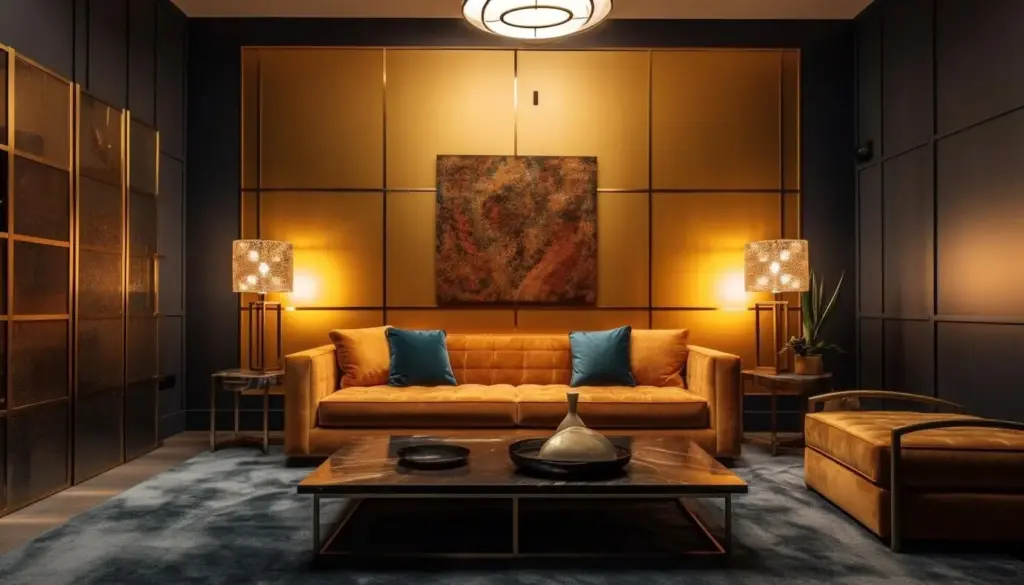
Whispered Elegance: Transforming Your Home with Understated Luxury


Today we explore Quiet Luxury Home Makeovers, where comfort, craftsmanship, and composure quietly eclipse logos and trends. Expect tactile materials, thoughtful editing, and timeless forms that feel as calm as they look. We will share approachable methods, small-space insights, and lived-in stories that prove serenity can be designed. Ask questions, bookmark favorite ideas, and subscribe if you want weekly, practical inspiration that respects your pace, budget, and personality without sacrificing beauty or the reassuring dignity of well-made things.

The Power of Restraint

Restraint is not absence; it is intention made visible. Start by clearing surfaces, then reintroduce only what you touch or admire daily. One client removed an ornate console and immediately noticed conversation lingering longer in the room. With fewer distractions, fabrics felt richer and light traveled farther. Try a weekend purge, document before-and-after impressions, and notice where your eye rests. Comment with discoveries that surprised you, especially items you never imagined you could live without.

Proportion and Flow

Proportion guides comfort as surely as cushioning does. A low-slung sofa invites lingering when paired with a slightly taller side table for balance. Pathways free of visual clutter allow shoulders to drop and minds to settle. Test arrangements with painter’s tape before investing, mapping reach for lamps, trays, and books. Move through the space carrying a cup of tea; if you hesitate or sidestep frequently, adjust. Share your floor plan questions, and we’ll troubleshoot together.

Honest Woods and Calm Stones

Select oak, ash, or walnut with visible grain and finishes that allow subtle movement. Pair with limestone, travertine, or soapstone in matte profiles that absorb light gently. These combinations age with you, acquiring character rather than flaws. Consider rounded corners for a kinder silhouette and silent felt pads to eliminate scraping sounds. If you are unsure where to start, upgrade a small side table or hearth surround. Share samples you are considering, and we’ll weigh undertones together.

Textiles That Invite Touch

Layer washed linen, bouclé, and wool throws for softness that photographs beautifully yet feels even better in person. Prioritize performance fabrics in family zones, but keep a few indulgent pieces—like a cashmere pillow—in quieter corners. Vary weave scale to avoid monotony. Curtains with a gentle puddle soften acoustics and daylight. Washability matters; elegance should survive real life. Post fabric swatches or color dilemmas, and our readers will share tried-and-true mills, blends, and care routines.

Metals with Gentle Luster

Choose unlacquered brass, bronzed steel, or nickel with a satin finish to introduce warmth without glare. Allow subtle patina to develop naturally; perfection is less inviting than well-loved sheen. Echo metal tones sparingly across hardware, lighting, and frames for quiet continuity. Avoid excessive matching; slight variation feels human. Test by placing a small sample near your primary textiles and stone. Tell us how your metals age over time, and we’ll compile a care guide from community tips.

Reading Undertones Like a Pro

Undertones determine harmony. Place potential paints against the palest white card and your anchor textiles to reveal hidden pink, green, or yellow notes. Observe them beside flooring and stone, not in isolation. Keep finishes matte or eggshell for walls, satin for trim, to preserve softness. A portable lamp test after sunset is essential. Post swatch lineups with room orientation, and we will help you predict how seasonal light will tilt hues warmer, cooler, or muddier.

Layering Neutrals for Depth

Begin with a grounding shade on large planes, then build contrast through texture rather than color. Linen drapes, clay pottery, and chalky ceramics introduce dimension without visual noise. Vary whites intentionally—ivory against crisp white can feel like music in two notes. Keep patterns subtle, preferring herringbone, basketweave, or fine stripes. Show us your fabric pile or rug candidates, and we will suggest which order creates the most inviting, breathable rhythm in your room.

Lighting That Breathes

Light shapes mood more than any paint or pillow. Layer daylight, ambient glow, task precision, and small points of sparkle. Warm dimming bulbs around 2700–3000K keep evenings tender, while high CRI ensures colors stay honest. Consider pleated shades, fabric cords, and opaque diffusers to soften glare. Dimmers are nonnegotiable. Audit your rooms at night, photographing hotspots and shadows. Post images or bulb specs, and our community will help you refine settings for gracious, restful evenings.

Furniture with Quiet Confidence

Choose silhouettes that relax the eye: soft edges, supportive seats, and beautiful backs that look graceful from every angle. Mix bespoke and vintage to avoid showroom sameness. Incorporate concealed storage to protect serenity without sacrificing daily convenience. Consider scale carefully; generous but not oversized pieces feel indulgent yet nimble. Sit-test whenever possible, and prioritize durable upholstery in real-life zones. Post your short list of candidates, and we will weigh comfort, materials, and longevity together.

Silhouette and Comfort First

Low arms invite lounging, curved profiles soften corners, and tight backs hold their shape day after day. Avoid heavy skirted bases if your room is small; leggy frames lift sightlines and airiness. Test depth with a throw pillow behind the lower back to simulate long reading sessions. If your partner prefers firmer cushions, consider a blended fill. Share height and depth constraints, and we will suggest silhouettes that hush the room without muting your lifestyle.

Storage That Disappears

Calm rooms hide practicalities gracefully. Opt for wall-hung consoles, built-ins with push latches, and deep drawers lined in felt to silence movement. Baskets in natural fibers keep clutter contained yet tactile. A lift-top coffee table can tuck away remotes and notebooks without show. Measure what truly needs housing, then allocate space precisely. Post your storage pain points, and we will propose solutions that look like architectural choices rather than afterthoughts or bulky compromises.

The Art of Editing

Editing is compassionate design: make room for what matters by releasing what does not. Keep one strong piece per view and let supporting items stay quieter. Rotate objects seasonally to refresh attention without buying constantly. Photograph each vignette in black-and-white; if it still balances, you likely nailed proportion and texture. Share a corner you want to simplify, and we will suggest what to elevate, remove, or relocate for effortless, confident harmony.

Finishing Touches That Tell a Story

Details humanize restraint. A stack of dog-eared books, a hand-thrown bowl, or a framed letter can anchor an otherwise minimal room with soul. Choose pieces you will want to dust because they matter. Scent, sound, and greenery fine-tune atmosphere, transforming design into daily ritual. Keep numbers modest but placement intentional. Share a beloved object’s story, and we will help stage it with suitable scale, light, and breathing room so it feels cherished, not showcased.
Xerakukivuzefikonimo
Privacy Overview

This website uses cookies so that we can provide you with the best user experience possible. Cookie information is stored in your browser and performs functions such as recognising you when you return to our website and helping our team to understand which sections of the website you find most interesting and useful.